

Food Preparation Tips to Share
with Lymphoedema Patients
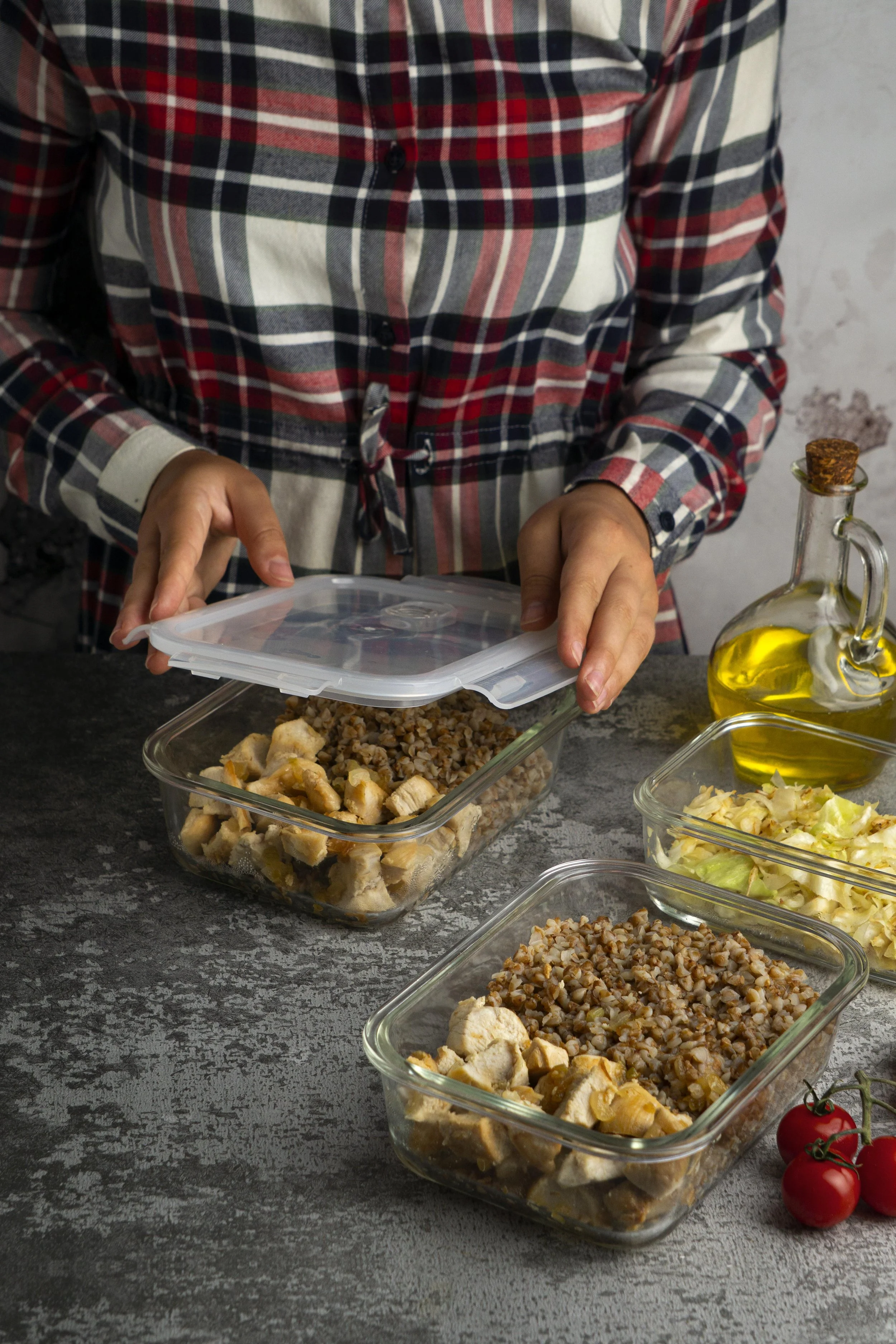
Food preparation can adversly affect the health of lymphoedema patients, such as in the following situations:
Prolonged standing or sitting results in pooling of blood in legs and
increased interstitial fluid leakage;Vigorous repetitive movements against resistance such as scrubbing
increase blood and lymphatic flow to the affected are; andTasks that require excessive bending or reaching, such as accessing items on high shelves or lifting heavy pots, are painful and fatiguing.
Cook ergonomically:
Use lightweight pots and pans;
Use adaptive cooking tools designed for easy gripping such as ergonomic knives and jar openers;
Store pantry items, spices, and dishes within easy reach;
Adjust countertops and work surfaces to a comfortable height;
Organize frequently used kitchen utensils, cookware, and cleaning supplies in accessible cabinets or drawers, such as with roll-out shelves;
Use a footrest or anti-fatigue mat;
Sit while cooking -- use an adjustable-height stool ;
Maintain proper posture while cooking, and take breaks to stretch and relax your muscles; and
Engage in food preparation activities at times of day when you feel stronger. If necessary, distribute those tasks throughout the day.
Cook efficiently:
Choose recipes that require less manual effort, such as one-pot meals, slow-cooker dishes, or sheet pan dinners – or adapt recipes to reduce the amount of effort;
Batch cook and freeze ingredients such as rice – or entire meals;
Plan meals ahead of time that use surplus ingredients prepared earlier in the week or batch-cooked ingredients;
Purchase pre-prepared whole food ingredients such as chicken parts and pre-cut salads and frozen vegetables; and
Use cooking tools that make food preparation faster and easier such as an electric can opener, immersion blender, and mini-chopper (small food processor).
Cook and clean safely:
Maintain a clutter-free environment;
Wear cooking and cleaning gloves to protect your skin; and
Avoid touching very hot or cold foods, liquids, or surfaces.